
Consortium
East Bay Tea Co
2018 - 2024

East Bay Tea Co
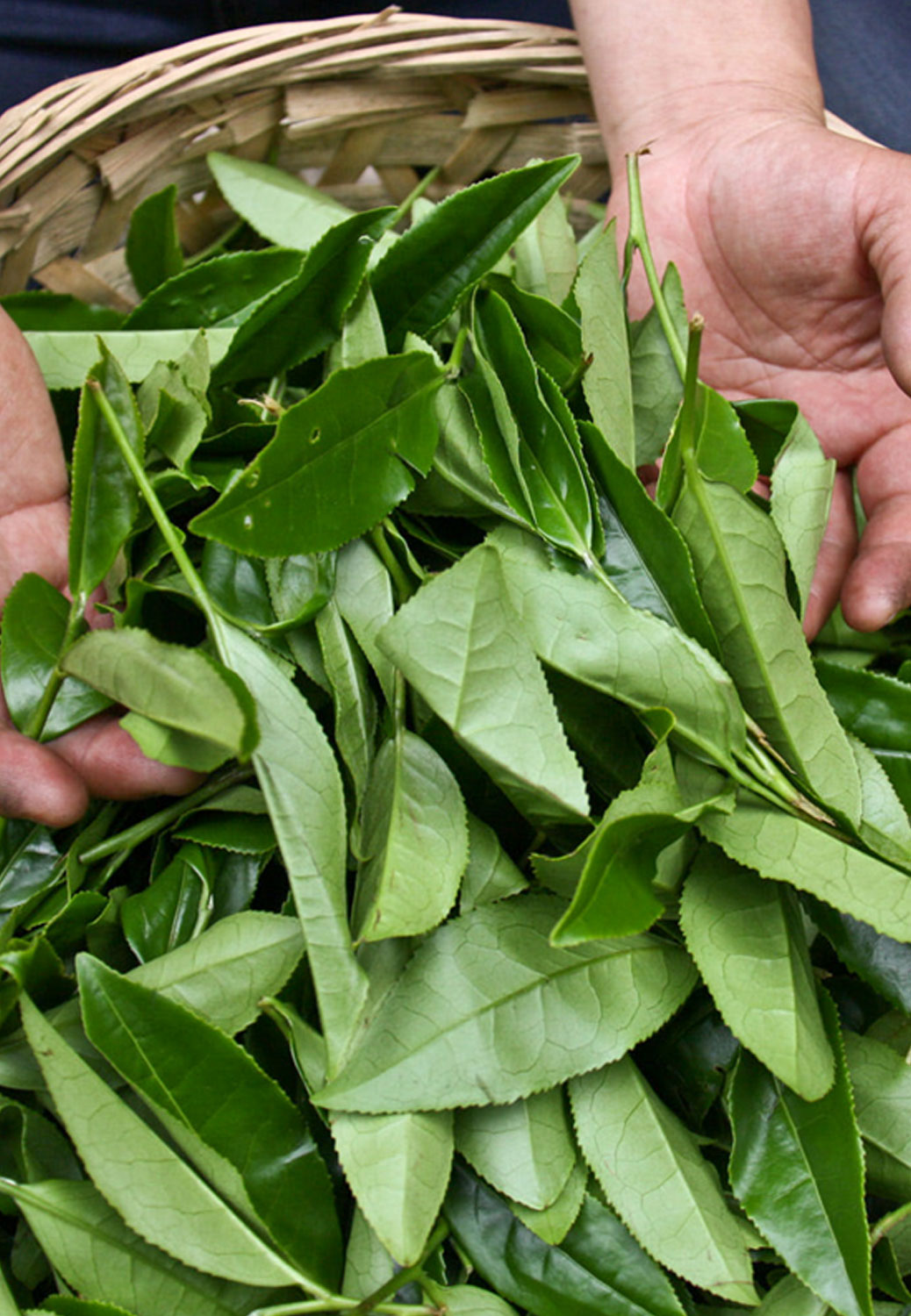
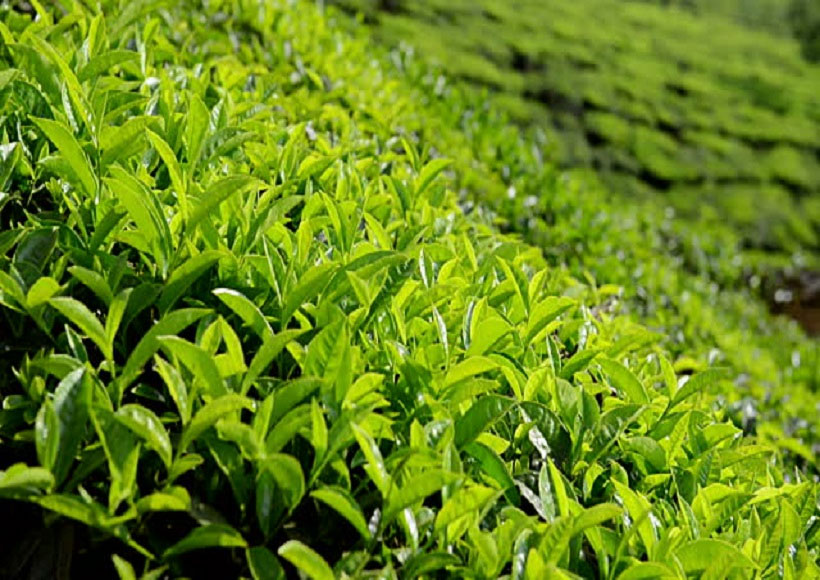
If you fancy growing tea for a hobby, we can help you. And together we share in the journey of local tea production.
Nothing. There are requirements, but there is no membership fee.
You must grow and harvest within a 1 hour radius of East Bay Tea Company production facility. This is because of the process involved with making tea and maintaining consistent quality. We ask that seeds and seedlings be purchased from our stock. Again, for product consistency.
You become a member with access to our portal. This will give you access to information, training and insights as a grower. When we are harvesting, we put out a call/email announcing a window that Consortium members can bring in their harvest. At your property a hedgerow can be grown and maintained. Tea leaves can then be harvested (in amounts large and small) and processed together with our harvest. We weigh the submitted harvest as “wet” tea and calculate the percentage of the batch that is your portion. All tea (ours and Consortium submittals) is aggregated and processed together. Once the tea is processed, the dry tea yield is then allocated to each producer by percentage and the current rate is paid on the dry tea amount. This is prior to any blending, adding of other ingredients and packaging for final sale.
Absolutely not. You can make your own tea too. We are just a buying outlet if you want to sell your harvest. Or you can request your payment in processed dried tea, and then blend your own loose tea.
Registering as a member, you will be provided a login to our portal where information on growing and cultivating tea is made available to you. It is unlikely that a hobbyist will want to invest in the tea processing equipment and FDA facility to process bulk tea. East Bay Tea Company gives you the outlet to sell your "plucks". We benefit from a network of producers that fold into our production and ultimately our products for sale. This concept allows you to plant "dual-purpose" items on your property. If you are planting a hedge row, why not plant a hedge row where you sell your trimmings instead of discarding them? Do you have an acre that you are mowing every week? Why not plant a tea orchard?
A mature hedge row can take 3-5 years from planting of a seedling (1 year old) to grow to maturity where it can be harvested. We sell seeds, or 1 year old seedlings. We recommend seedlings as germination and development of the seedling is a deeper commitment to your project.
That depends on how much you plant, how mature you hedge row is, your terroir, the weather that year, fertilization types etc. I good estimate to use is 4 ounces of dried tea per tree annually. That doesn’t sound like much, but it equates to about 50 sachets of tea. So while it doesn’t seem like much, it can become an enjoyable hobby that has some return. Trees are planted in rows about 5’ apart and planted at 30” intervals. Doing some loose math, you could fit about 800 trees in a quarter acre. The largest cost is the labor to pick the harvest. This is why 99.99% of tea is produced abroad and not in the United States.
There is no fee to be part of the consortium. There are no minimums or maximums on the amount of tea leaves that can be submitted. Your costs will solely revolve around planting, growing and harvesting your tea. We highly recommend and sell the book “How to Grow and Make Tea in the United States” by Steve Lorch. He operates Table Rock Tea Company and is located outside of Pickens, SC.
We can tell you we started our journey with visits to Table Rock and by ‘test-planting’ 60 trees at our home in Iredell County. We planted some in full sunlight, partial sunlight and some in the shade. Meanwhile at the farm site we tested the soil (free if off-season, nominal fee if done in the spring.) and began preparing our layout and planting plan. We chose to plant an acre a year and ramp in. Typically, a year after planting we see tea flowers. A year later they develop seed pods and drop seeds. During these early years you will want to prune them down so that they are encouraged to grow outward, not upward. A tea tree will want to grow fairly straight up about 25 feet. For the purpose of harvesting, we want to grow a hedge at approximates 5 feet in width and 4-5 feet in height.

